– July 11 2025 –
The bighorn sheep is a central figure in the collective imagination of Baja California—serving even as the symbol for the Autonomous University of Baja California (UABC)—yet it has also been a source of controversy due to its inclusion in regulated hunting programs. “We are faced with different perspectives: on one hand, controlled utilization, and on the other, the need to protect a species at risk,” stated the director of the Center for Innovation and Environmental Management of Mexico (CIGAMX) during the Permanent Seminar on Sustainable Development.
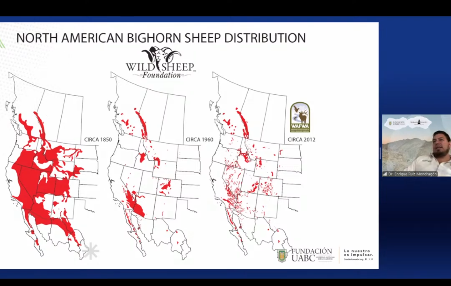
The 117th session featured Dr. Enrique de Jesús Ruiz Mondragón as a guest speaker, who delivered a lecture titled “Conservation of the Bighorn Sheep in Baja California.” The expert discussed the ecological, social, and cultural values of this iconic species from northwestern Mexico, as well as institutional conservation efforts, highlighting sport hunting as the only current means for the species’ conservation. He added that, at present, the conservation of the bighorn sheep faces two complex challenges: the lack of technical and financial capacity among authorities to regulate sport hunting, and a lack of organization within *ejido* (communal land) communities. Addressing both issues could significantly improve the protection of this species in Mexico.
Dr. Ruiz Mondragón explained that the bighorn sheep holds great environmental and cultural value, and that its conservation has evolved—moving from national hunting bans, experimental hunts, and official programs to current sustainable management frameworks. The history of this process in Mexico includes key milestones such as the National Bighorn Sheep Program (1974), its inclusion under the NOM-059 standard (1994), and the establishment of Wildlife Conservation Management Units (UMAs).
Serving as moderator, chemical engineer… Jessica Castañeda, a technical advisor at CIGAMX, highlighted that the desert bighorn sheep plays a key role in arid and mountainous ecosystems, performing functions such as seed dispersal, vegetation control, and the location of water sources. This species inhabits areas such as the Sierra de Juárez, San Pedro Mártir, and the Sierra de la Asamblea, where it has adapted to extreme climates and contributes to maintaining ecological balance.
Meanwhile, Luis Gerardo Domínguez, deputy director of CIGAMX, explained that although this subspecies is legally protected, it faces risks from various sources. “Habitat loss, poaching, and diseases transmitted by livestock remain real threats,” he stated. The fragmentation of biological corridors, changes in land use, and pressure from human activities further exacerbate the situation.
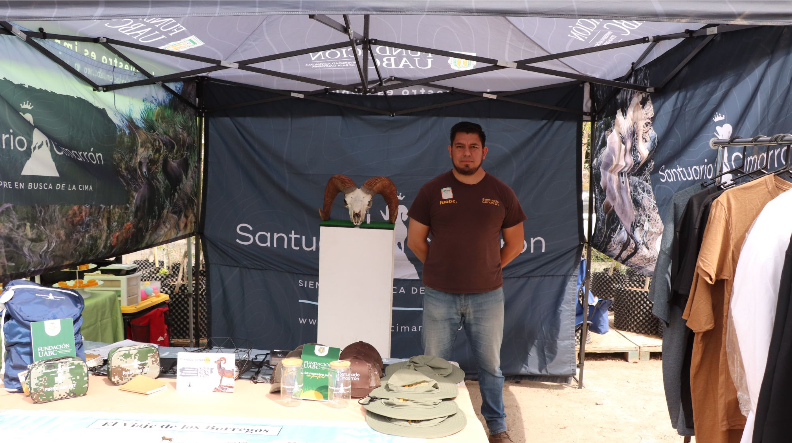
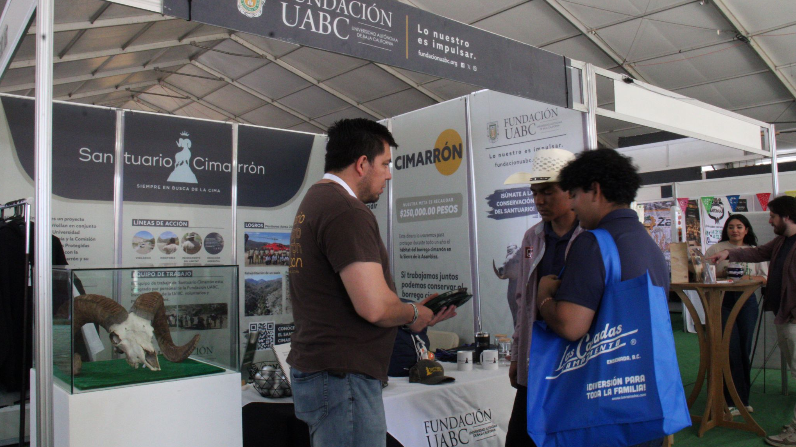
During the discussion, the “Santuario Cimarrón” (Bighorn Sheep Sanctuary) was highlighted as the most significant current effort in Baja California aimed at conserving the species. “This project is an initiative of the UABC Foundation and the university itself.
Spanning 30,000 hectares in the Sierra de la Asamblea, it focuses on biodiversity monitoring, scientific research, habitat improvement, environmental education, and the involvement of local communities,” said Dr. Ruiz. Between 2022 and 2025, the sanctuary succeeded in restoring two areas of importance for wildlife, producing nine scientific publications, and organizing educational camps, workshops, outreach events, and engagement initiatives with *ejidos* (communal landholdings) and various social sectors. It also played a role in the establishment of a State Day for the Conservation of the Desert Bighorn Sheep. Furthermore, the sanctuary promotes opportunities for public participation—ranging from donations and volunteering to fundraising events—thereby strengthening the connection between conservation, society, and academia. The full lecture is available on the CIGAMX channel: