– May 18 2023 –
Fernando Escoto, deputy director of the Valle de los Cirios Flora and Fauna Protection Area (APFF), gave a talk as part of the Alberto Tapia Landeros Lecture Series regarding the largest terrestrial protected natural area (PNA) in Mexico: the Valle de los Cirios APFF. During the presentation, he discussed the work of the National Commission of Protected Natural Areas (CONANP) and the biotic and abiotic characteristics of the Valle de los Cirios. He also provided an overview of the area’s history and explained the management actions taken to ensure its conservation. Escoto began by defining a protected natural area—noting that, according to Article 3 of the General Law on Ecological Equilibrium and Environmental Protection, these are zones where the original environments have not been significantly altered by human activity, or areas that require preservation and restoration.
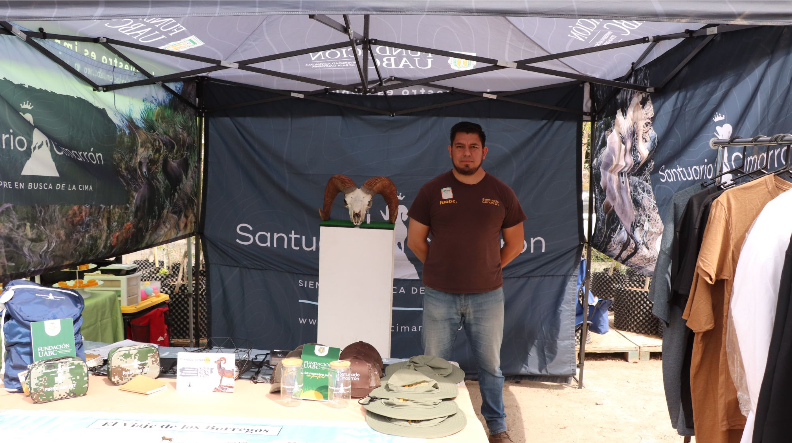
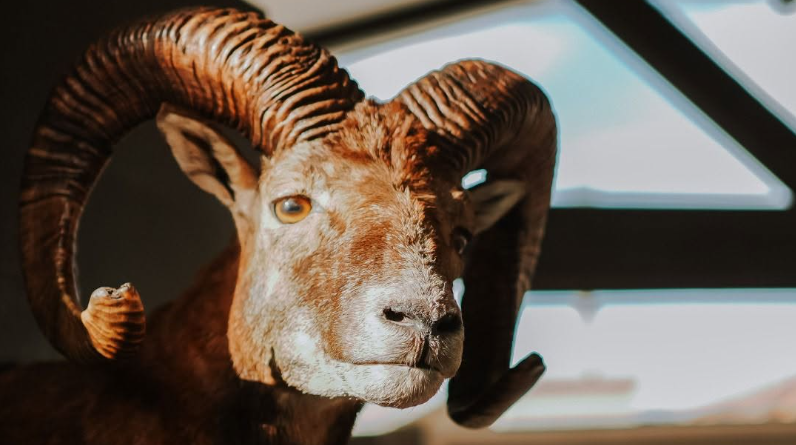
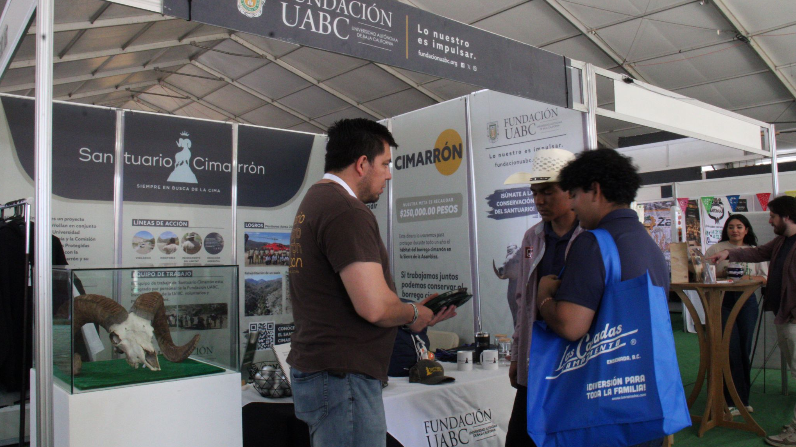
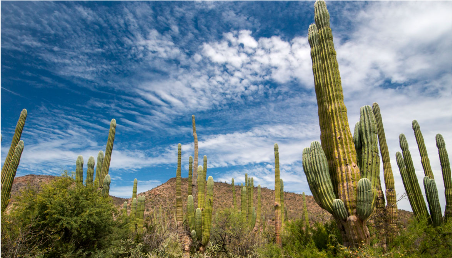
According to Escoto, the Valle de los Cirios APFF spans 2,521,988 hectares. Its vegetation consists primarily of xerophilous scrub and chaparral, and it is home to 6 species of amphibians, 51 species of reptiles, and 215 species of birds. The area also supports various iconic mammal species, such as the mule deer, the desert fox, the peninsular pronghorn, and the bighorn sheep. Furthermore, he noted that the Valle de los Cirios was designated as a protected natural area in 1980 and reclassified as a Flora and Fauna Protection Area (APFF) in 2000—the same year the first management office for the area was established in Ensenada, staffed by just three employees. “With few resources, but a great deal of determination, the history of the Valle de los Cirios began,” Escoto remarked. Another significant milestone for the Protected Natural Area (ANP), according to Fernando, occurred in 2010 with the issuance of a decree that placed a tract of national land—known as “Polígono Norte”—under the stewardship of the CONANP. Spanning approximately 30,000 hectares, this area possesses unique characteristics and particularly fragile ecosystems; it is also the site where the activities of the “Santuario Cimarrón” (Bighorn Sheep Sanctuary) take place.
The full lecture by Fernando Escoto is available on the Fundación UABC Facebook page and on the Santuario Cimarrón website:
https://www.facebook.com/share/v/1AMD26Y8Jn/; https://santuariocimarron.com/conferencias/.